
Traffic For Vanity, Profit For Sanity

22 Jul 2026 Blog

For years, digital marketers have celebrated one metric above all others, website traffic. Businesses proudly showcased monthly visitor numbers, page views, and social media impressions as indicators of success. While traffic remains an important metric, it is no longer the ultimate measure of digital marketing performance. The phrase “Traffic for vanity, profit for sanity” perfectly captures the shift from chasing numbers to generating meaningful business outcomes.

A website attracting 100,000 visitors every month may appear impressive, but if those visitors never become customers, subscribers, or qualified leads, the traffic has little business value. On the other hand, a website with just 5,000 highly targeted visitors that consistently generates sales is far more successful from a commercial perspective.

The problem with vanity metrics is that they create an illusion of growth. High traffic, social media likes, video views, and impressions may boost confidence, but they do not necessarily contribute to revenue. Businesses can easily spend significant budgets on attracting visitors without understanding whether those visitors have any intention of buying.

Today’s search landscape has made this distinction even more important. AI-powered search engines and answer engines increasingly provide users with direct answers, reducing the number of clicks to websites. This means businesses should focus less on maximizing traffic and more on attracting visitors with genuine purchase intent. A smaller audience of highly qualified prospects is often more valuable than a massive audience with little interest in the products or services being offered.

Successful digital marketing now revolves around optimizing the entire customer journey rather than simply increasing visitor counts. Every page should encourage meaningful actions, whether that is requesting a quote, booking a consultation, making a purchase, subscribing to a newsletter, or contacting the business. Conversion Rate Optimization (CRO), user experience, persuasive content, and trust-building elements have become just as important as SEO.

Businesses should also pay closer attention to metrics that directly reflect profitability. Customer acquisition cost (CAC), customer lifetime value (CLV), conversion rate, average order value, and return on advertising spend (ROAS) provide a much clearer picture of marketing effectiveness than raw traffic numbers. These metrics help organizations understand whether their marketing investments are producing sustainable returns.

Content strategy is also evolving. Instead of publishing large volumes of articles purely to increase page views, companies should create content that solves specific customer problems, demonstrates expertise, and guides readers toward informed purchasing decisions. High-quality educational content attracts visitors who are already researching solutions, making them far more likely to convert.

Ultimately, traffic is only the beginning of the marketing funnel—not the destination. Every visitor should represent an opportunity to build trust, solve a problem, and create value for both the customer and the business. A successful website is not measured by how many people arrive, but by how many take meaningful action.

In the modern digital economy, businesses should remember a simple principle: traffic may satisfy the ego, but profit sustains the business. The smartest marketers focus on attracting the right audience, converting interest into action, and building long-term customer relationships. Because in the end, traffic is for vanity, but profit is for sanity.

Contributed by GuestPosts.biz
Digital Marketing Options For Small Businesses

17 Jul 2026 Blog

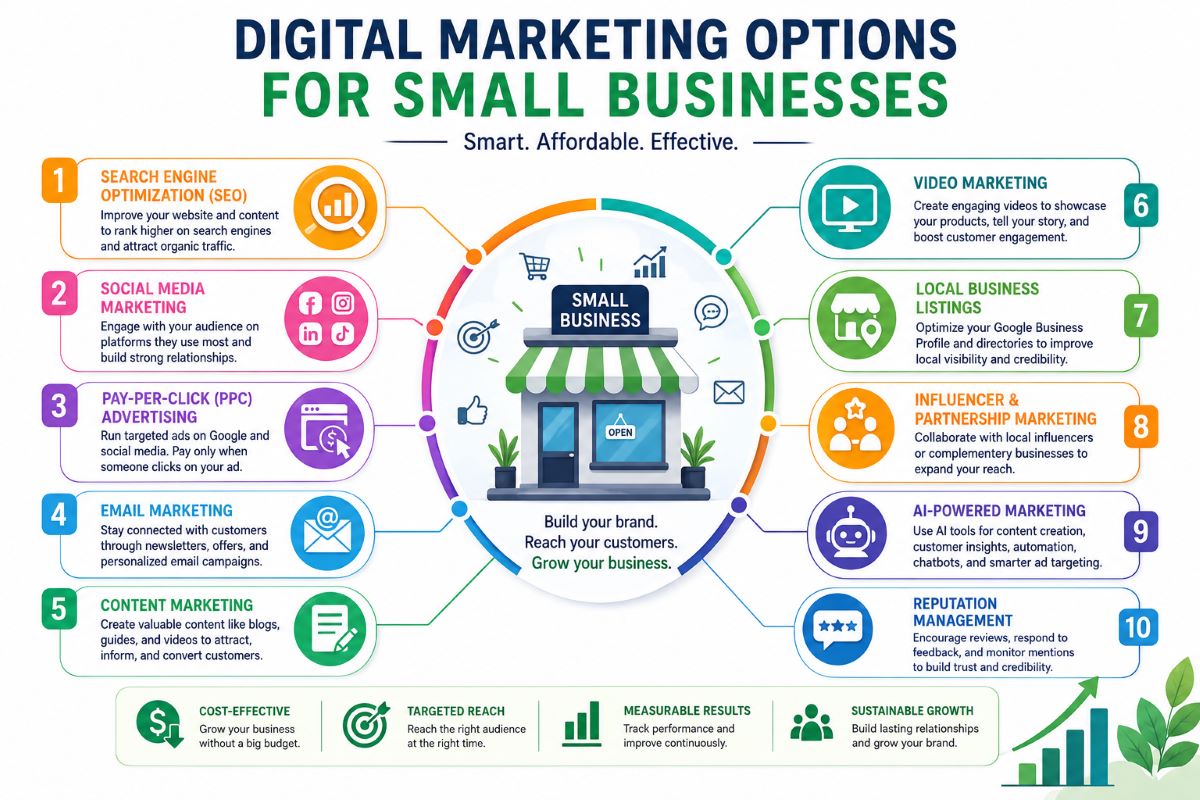
Small businesses today have more opportunities than ever to reach customers through digital marketing. Unlike traditional advertising, digital marketing offers cost-effective ways to build brand awareness, generate leads, and increase sales while allowing businesses to measure results in real time.

Here are some of the most effective digital marketing options for small businesses.

  1. Search Engine Optimization

SEO helps a business website rank higher on search engines like Google. By optimizing website content with relevant keywords, improving page speed, and creating valuable articles, businesses can attract organic traffic without paying for every click. Local SEO is particularly valuable for businesses serving specific cities or regions, helping them appear in local search results and Google Maps.

  1. Social Media Marketing

Platforms such as Facebook, Instagram, LinkedIn, TikTok, and X allow businesses to connect directly with their target audience. Small businesses can share product updates, educational content, customer testimonials, and behind-the-scenes stories to build trust. Consistent engagement through comments, polls, and live sessions helps strengthen customer relationships.

  1. Pay-Per-Click (PPC) Advertising

PPC campaigns on Google Ads and social media platforms provide immediate visibility. Businesses only pay when users click on their ads, making it a measurable marketing investment. PPC is ideal for promoting new products, seasonal offers, or generating leads quickly while complementing long-term SEO efforts.

  1. Email Marketing

Email remains one of the highest-return digital marketing channels. Businesses can send newsletters, promotional offers, product announcements, and personalized recommendations to existing customers. Automation tools make it easy to nurture leads, recover abandoned carts, and maintain regular communication without significant manual effort.

  1. Content Marketing

Creating valuable content helps businesses establish authority and attract potential customers. Blog posts, guides, videos, infographics, and case studies answer customer questions while improving search engine rankings. High-quality content also supports social media and email marketing campaigns.

  1. Video Marketing

Short-form and long-form videos continue to grow in popularity. Product demonstrations, customer testimonials, tutorials, and company stories perform well across YouTube, Instagram Reels, TikTok, and LinkedIn. Videos often generate higher engagement than text-based content and help explain products more effectively.

  1. Local Business Listings

Maintaining accurate business information on Google Business Profile and other online directories improves local visibility. Positive customer reviews, updated photos, and regular posts increase credibility and encourage potential customers to visit or contact the business.

Popular sites in UAE, include www.dubaicityguide.comwww.newsbeat.ae and https://www.uaetoday.com

  1. Influencer and Partnership Marketing

Small businesses don’t always need celebrity influencers. Collaborating with local creators or niche industry experts can generate authentic recommendations and expand brand reach. Partnerships with complementary businesses can also create mutually beneficial promotional opportunities.

  1. AI-Powered Marketing

Artificial intelligence tools help small businesses create content, analyze customer behavior, automate email campaigns, manage customer support through chatbots, and optimize advertising campaigns. AI enables businesses to accomplish more with limited marketing resources while improving personalization.

  1. PR and Reputation Management

Online press release distribution and reviews significantly influence purchasing decisions. Encouraging satisfied customers to leave reviews and responding professionally to feedback builds trust. Media monitoring brand mentions across review sites and social media helps businesses maintain a positive online reputation.

Digital marketing offers small businesses flexible and affordable ways to compete with larger organizations. Rather than relying on a single strategy, combining SEO, content marketing, social media, email marketing, paid advertising, video content, and AI-powered tools creates a well-rounded digital presence.

By consistently measuring performance and adapting strategies based on customer behavior, small businesses can achieve sustainable growth, build stronger customer relationships, and remain competitive in an increasingly digital marketplace.

Contributed by GuestPosts.biz

Top iGaming Trends To Watch In 2026

15 Jul 2026 Blog

The iGaming industry enters 2026 in a phase of recalibration rather than raw expansion. After years of hyper-growth, operators now face rising acquisition costs, tougher advertising rules, higher taxes in mature markets, and regulators who expect compliance and player protection to be built into the product rather than bolted on afterwards. Growth has not stopped, but it has shifted, both geographically and strategically.

According to Sharad Agarwal, CEO of Cyber Gear, “The future of iGaming isn’t just about bigger platforms or better games, it’s about building intelligent, trusted ecosystems where innovation, responsible gaming, and exceptional player experiences come together. The companies that lead with transparency and technology today will define the global entertainment landscape tomorrow.”

The global online gambling market is widely forecast to approach USD153 billion by 2030, growing at a double-digit annual rate, while global gross gaming revenue is expected to rise roughly 8–10% year-on-year in 2026.

The engines of that growth, however, are increasingly newly-regulated or fast-digitizing regions, Brazil and Latin America, parts of Africa, and select Middle Eastern jurisdictions, rather than saturated Western hubs.

The eight trends at a glance:

  1. AI & hyper-personalization – Personalized offers, dynamic odds and predictive retention become the industry standard.
  2. Responsible gambling as strategy – Real-time, AI-driven harm detection turns safer gambling into a competitive advantage and a licence condition.
  3. Crypto, Web3 & modern payments – Instant deposits, cashless wallets and open banking, now paired with heavier compliance.
  4.  Live casino & immersive formats – Dealer-led games, game-show formats and early VR/AR keep players engaged longer.
  5. Prediction markets – Fintech-style event-trading platforms blur the line between betting and investing.
  6. Mobile-first & emerging markets – Brazil, LatAm, Africa and MENA drive the next wave of regulated growth.
  7.  Regulation, tax & compliance-by-design – Market access now depends on end-to-end transparency and built-in controls.
  8. Consolidation & convergence – M&A accelerates as casino, sportsbook, social and media experiences merge.

Resources:

https://www.trendsunplugged.io

https://www.aiunplugged.io

https://www.web3unplugged.io

https://www.thebluewhale.ai

Marketing and promotion of iGaming businesses:

https://www.guestposts.biz

https://www.contakts.ai

https://www.RatedG.ai

More thought leadership reports at https://www.cyber-gear.ae

Guest Posts Market Size: A Growing Industry In The Digital Marketing Ecosystem

13 Jul 2026 News

The guest posting market has evolved from a simple link-building tactic into a multi-billion-dollar segment of the global digital marketing industry. As businesses compete for online visibility, authority, and brand recognition, guest posting has become an essential component of content marketing, SEO, and digital PR strategies. Industry analysts estimate that it represents a significant share of the broader content marketing, SEO services, and influencer outreach sectors, which collectively account for tens of billions of dollars annually.

The GuestPosts.biz marketplace has around 100 websites and blogs that offer guest posting services and backlinks for improving SEO rankings.

The popular sites are:

www.uaetoday.com

www.dubaicityguide.com

www.dubaishoppingguide.com

www.dubaihealthcareguide.com

www.dubaiverse.io

The rapid growth of search engine optimization has been one of the primary drivers behind the expansion of the guest posting market. Businesses of all sizes recognize that earning high-quality backlinks from reputable websites remains an important factor in improving search rankings, increasing organic traffic, and building online authority. This demand has created a thriving ecosystem of publishers, agencies, freelancers, and specialized guest posting platforms that connect brands with relevant websites.

Artificial intelligence has further accelerated the industry’s growth. AI-powered content creation tools enable marketers to produce high-quality articles faster, while AI-assisted outreach platforms streamline publisher discovery and campaign management. However, the increasing sophistication of search engine algorithms means that quality, relevance, and editorial standards are more important than ever. Successful guest posting campaigns now prioritize valuable, informative content over simply acquiring backlinks.

The market serves a wide range of industries, including technology, finance, healthcare, real estate, education, e-commerce, travel, and online gaming. Companies invest in guest posting not only to improve SEO performance but also to establish thought leadership, reach new audiences, and strengthen brand credibility. Large enterprises often allocate substantial annual budgets for digital PR and content outreach, while small and medium-sized businesses increasingly view guest posting as a cost-effective marketing channel.

Pricing within the guest posting market varies considerably depending on website authority, niche relevance, geographic audience, and editorial quality. A guest post on a niche blog may cost between $50 and $200, while placements on premium publications can range from several hundred to several thousand dollars. Enterprise-level campaigns involving dozens or hundreds of placements can represent significant ongoing investments.

One notable trend is the shift toward quality over quantity. Search engines increasingly reward editorially relevant backlinks earned through genuine, informative content rather than mass-produced articles published solely for SEO purposes. As a result, businesses are focusing on partnerships with authoritative publications that have engaged audiences and strong editorial standards.

The future outlook for the guest posting market remains positive. As global digital advertising spending continues to rise and competition for organic search visibility intensifies, demand for authoritative content placements is expected to grow. The integration of AI, data analytics, and relationship-based digital PR will continue to reshape the industry, making guest posting more strategic and measurable.

Ultimately, guest posting has matured into a sophisticated marketing discipline that extends beyond backlink acquisition. It now combines content marketing, public relations, brand building, and SEO into a unified strategy that helps organizations enhance their digital presence. As long as businesses continue to compete for trust, visibility, and authority online, the guest posting market is expected to remain a valuable and expanding component of the global digital marketing landscape.

The State of the iGaming Industry

10 Jul 2026 Blog

At Cyber Gear we have been monitoring the iGaming industry since 1996.

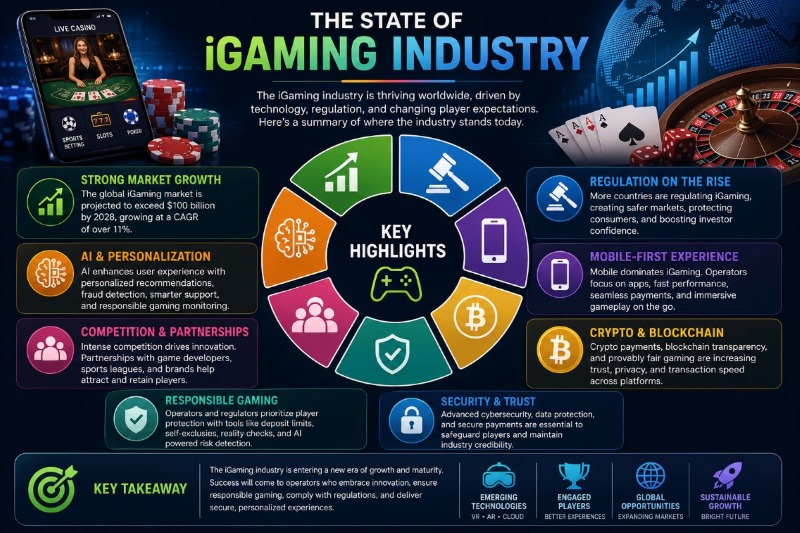
The global iGaming industry continues to experience remarkable growth, driven by technological innovation, increasing internet penetration, widespread smartphone usage, and evolving consumer preferences. Encompassing online casinos, sports betting, poker, bingo, esports wagering, and fantasy sports, the iGaming sector has transformed into one of the fastest-growing segments of the digital entertainment economy. As the industry moves through 2026, operators are focusing on innovation, responsible gaming, regulatory compliance, and personalized customer experiences to remain competitive.

One of the primary drivers of the industry’s growth is the increasing legalization and regulation of online gambling across multiple jurisdictions. Governments are recognizing the economic benefits of regulated iGaming markets through taxation, licensing fees, and job creation while ensuring stronger consumer protection. Although regulations vary significantly between countries, the trend toward regulated markets has increased investor confidence and encouraged international expansion by leading operators.

Mobile gaming remains the dominant force within the iGaming ecosystem. Today’s players expect seamless gaming experiences across smartphones and tablets, prompting operators to adopt a mobile-first strategy. Responsive websites, dedicated mobile apps, and optimized payment systems have significantly improved accessibility. The rollout of high-speed 5G networks has further enhanced live betting, real-time casino games, and high-definition streaming, creating smoother and more immersive experiences.

Artificial Intelligence has become a critical component of modern iGaming platforms. AI enables operators to personalize game recommendations, detect fraudulent activity, optimize customer support through intelligent chatbots, and identify problematic gambling behaviors. Machine learning algorithms analyze player activity to provide customized promotions and improve player retention while supporting responsible gaming initiatives by detecting unusual betting patterns.

Live dealer casinos continue to gain popularity by combining the convenience of online gaming with the authenticity of physical casinos. High-definition video streaming, professional dealers, and interactive features provide players with a more engaging experience. Many operators are expanding their live casino offerings with localized tables, multilingual dealers, and innovative game formats to appeal to global audiences.

Cryptocurrency and blockchain technology are also reshaping the iGaming landscape. Many platforms now accept digital currencies, providing faster transactions, enhanced privacy, and lower processing fees. Blockchain-based gaming introduces greater transparency through provably fair gaming systems, allowing players to verify game outcomes independently. While adoption continues to grow, regulatory frameworks surrounding cryptocurrency gambling remain under development in many regions.

Responsible gaming has become a top priority for regulators and operators alike. Modern iGaming platforms offer tools such as deposit limits, wagering controls, self-exclusion programs, reality checks, and affordability assessments. AI-powered monitoring systems help identify players who may be at risk of gambling-related harm, allowing operators to intervene proactively. Stronger responsible gaming measures are becoming essential not only for regulatory compliance but also for maintaining public trust.

Competition within the industry has intensified significantly. Established global brands now compete alongside emerging regional operators, creating a highly dynamic marketplace. Success increasingly depends on user experience, game variety, customer service, localized content, payment flexibility, and innovative loyalty programs. Partnerships with game developers, sports leagues, and entertainment brands have become important differentiators in attracting and retaining customers.

Cybersecurity continues to be a major focus as operators handle large volumes of financial transactions and sensitive customer data. Investment in encryption, identity verification, fraud prevention, and secure payment technologies has become essential. Compliance with international data protection standards further strengthens consumer confidence and protects operators from regulatory penalties.

Looking ahead, the future of iGaming will likely be shaped by emerging technologies such as virtual reality (VR), augmented reality (AR), cloud gaming, and AI-driven automation. These innovations promise more immersive, social, and personalized gaming experiences. Cross-platform integration, gamification, and interactive community features are also expected to play larger roles in player engagement.

The iGaming industry is entering a new phase of maturity characterized by innovation, regulation, and customer-centric growth. Operators that successfully balance technological advancement with responsible gaming, regulatory compliance, and cybersecurity will be best positioned to capitalize on expanding global opportunities. As digital entertainment continues to evolve, iGaming is expected to remain a significant contributor to the global online economy, offering exciting opportunities for businesses, investors, and players alike.

Content by GuestPosts.biz

The Cyber Gear Digital Marketing Toolkit For 2026

7 Jul 2026 News

Digital marketing in 2026 is no longer limited to SEO, social media, and paid advertising. Artificial intelligence, answer engines, and autonomous AI agents are transforming how businesses attract, engage, and convert customers. To stay competitive, marketers need a toolkit that combines traditional digital marketing solutions with AI-powered platforms designed for the next generation of search and customer experiences.

According to Sharad Agarwal, CEO of Cyber Gear, “The digital marketing toolkit of 2026 is built around intelligence, automation, and trust. Success is no longer measured solely by search rankings or social media followers but by how effectively brands appear in AI-generated answers, deliver personalized customer experiences, and automate repetitive tasks without sacrificing authenticity. Businesses that integrate SEO, GEO, AEO, AI-powered content creation, analytics, automation, and Agentic AI into a unified marketing strategy will win the race.”

  1. Website & Content Management

A fast, mobile-friendly, and secure website remains the foundation of digital marketing. Platforms such as WordPress, Webflow, Shopify, and Wix enable businesses to build optimized websites with excellent user experiences. Content Management Systems should also support structured data, accessibility, and fast loading speeds.

  1. SEO, GEO & AEO Tools

Traditional SEO is now complemented by Generative Engine Optimization (GEO) and Answer Engine Optimization (AEO). Tools like Google Search Console, Ahrefs, SEMrush, Screaming Frog, Surfer SEO, and Clearscope help optimize content for search engines, while schema markup, FAQ optimization, entity-based content, and semantic search improve visibility in AI-powered search experiences such as Google AI Overviews, ChatGPT, Gemini, and Perplexity.

  1. AI Content Creation

AI has become an essential marketing assistant rather than a replacement for human creativity. ChatGPT, Claude, Gemini, Jasper, Grammarly, Canva AI, Adobe Firefly, and Midjourney help marketers produce blogs, social media posts, ad copy, graphics, videos, and presentations faster while maintaining quality and consistency.

  1. Social Media Management

Brands must maintain consistent engagement across multiple platforms. Hootsuite, Buffer, Sprout Social, Meta Business Suite, and Later allow marketers to schedule content, monitor conversations, analyze performance, and collaborate efficiently with teams.

  1. Paid Advertising Platforms

Performance marketing continues to deliver measurable results through Google Ads, Meta Ads Manager, LinkedIn Ads, TikTok Ads Manager, Microsoft Advertising, and Amazon Ads. AI-powered bidding, audience targeting, and creative optimization help maximize return on advertising spend.

  1. Email Marketing & Marketing Automation

Email remains one of the highest ROI marketing channels. HubSpot, Mailchimp, ActiveCampaign, Brevo, and Klaviyo enable businesses to automate customer journeys, personalize messaging, nurture leads, and improve customer retention using behavioral data and AI-driven recommendations. Successful campaigns need targeted lists which AI can farm for you.

  1. Customer Relationship Management (CRM)

Modern CRM platforms such as HubSpot CRM, Salesforce, Zoho CRM, and Microsoft Dynamics 365 centralize customer information, automate sales workflows, and provide valuable insights into the customer lifecycle. AI-powered CRM systems can predict customer behavior and recommend next-best actions for sales teams.

  1. Analytics & Customer Insights

Data-driven decision-making is more important than ever. Google Analytics 4, Looker Studio, Microsoft Clarity, Hotjar, and Mixpanel help marketers understand website performance, user journeys, engagement patterns, and conversion opportunities. AI-assisted analytics can also uncover hidden trends and recommend optimization strategies.

  1. Reputation & Brand Monitoring

AI search engines increasingly rely on trusted brands and credible online mentions. Online PR is extremely important in the AEO world. Tools such as Brand24, Mention, Meltwater, and Google Alerts help businesses monitor brand reputation, customer sentiment, online reviews, media coverage, and emerging conversations across the web.

  1. AI Agents & Workflow Automation

One of the biggest additions to the 2026 toolkit is Agentic AI. Platforms like OpenAI Agents, Microsoft Copilot, Zapier AI, Make, and n8n automate repetitive marketing tasks such as campaign reporting, content distribution, lead qualification, customer support, and workflow management. These intelligent agents free marketers to focus on strategy, creativity, and customer relationships.

More information at https://www.cyber-gear.com/

Search

+