Guest Posts Market Size: A Growing Industry In The Digital Marketing Ecosystem

13 Jul 2026 News

The guest posting market has evolved from a simple link-building tactic into a multi-billion-dollar segment of the global digital marketing industry. As businesses compete for online visibility, authority, and brand recognition, guest posting has become an essential component of content marketing, SEO, and digital PR strategies. Industry analysts estimate that it represents a significant share of the broader content marketing, SEO services, and influencer outreach sectors, which collectively account for tens of billions of dollars annually.

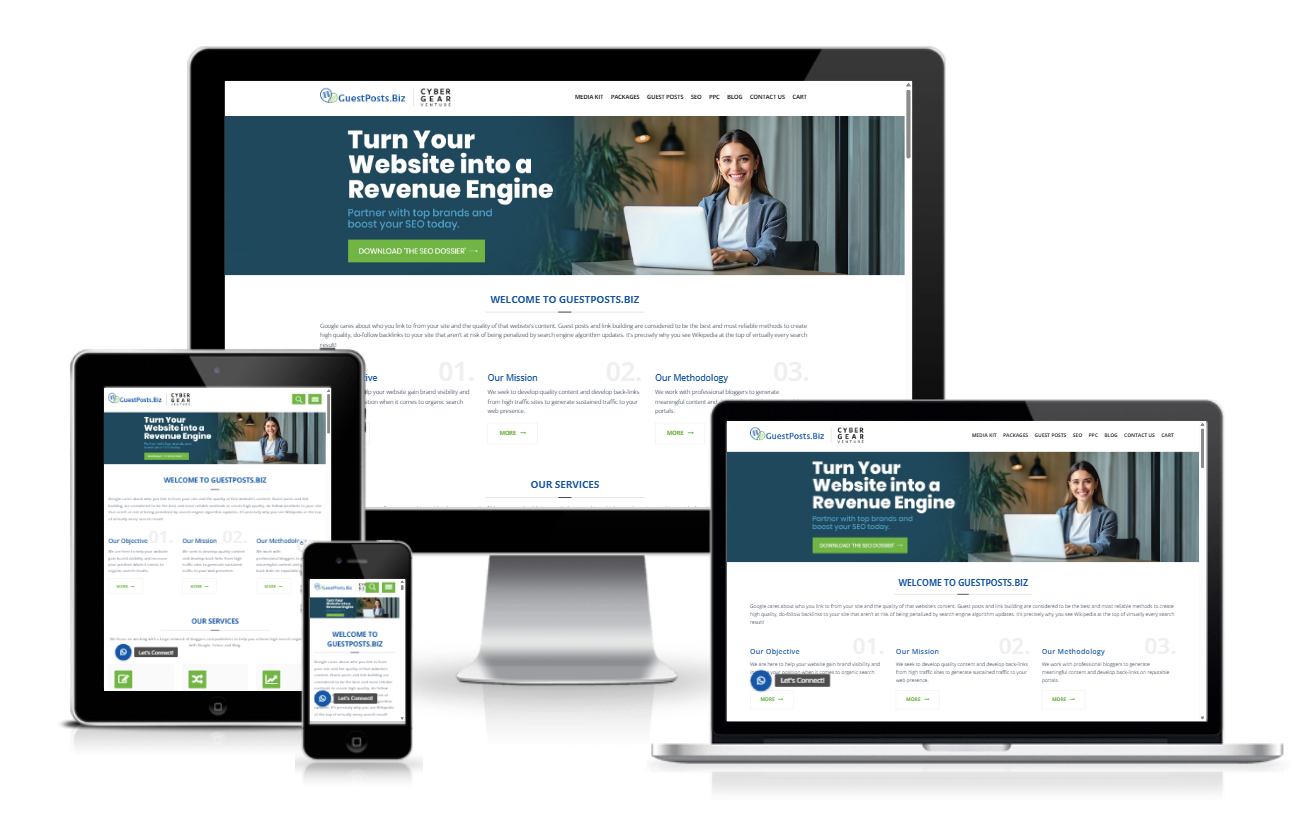
The GuestPosts.biz marketplace has around 100 websites and blogs that offer guest posting services and backlinks for improving SEO rankings.

The popular sites are:

www.uaetoday.com

www.dubaicityguide.com

www.dubaishoppingguide.com

www.dubaihealthcareguide.com

www.dubaiverse.io

The rapid growth of search engine optimization has been one of the primary drivers behind the expansion of the guest posting market. Businesses of all sizes recognize that earning high-quality backlinks from reputable websites remains an important factor in improving search rankings, increasing organic traffic, and building online authority. This demand has created a thriving ecosystem of publishers, agencies, freelancers, and specialized guest posting platforms that connect brands with relevant websites.

Artificial intelligence has further accelerated the industry’s growth. AI-powered content creation tools enable marketers to produce high-quality articles faster, while AI-assisted outreach platforms streamline publisher discovery and campaign management. However, the increasing sophistication of search engine algorithms means that quality, relevance, and editorial standards are more important than ever. Successful guest posting campaigns now prioritize valuable, informative content over simply acquiring backlinks.

The market serves a wide range of industries, including technology, finance, healthcare, real estate, education, e-commerce, travel, and online gaming. Companies invest in guest posting not only to improve SEO performance but also to establish thought leadership, reach new audiences, and strengthen brand credibility. Large enterprises often allocate substantial annual budgets for digital PR and content outreach, while small and medium-sized businesses increasingly view guest posting as a cost-effective marketing channel.

Pricing within the guest posting market varies considerably depending on website authority, niche relevance, geographic audience, and editorial quality. A guest post on a niche blog may cost between $50 and $200, while placements on premium publications can range from several hundred to several thousand dollars. Enterprise-level campaigns involving dozens or hundreds of placements can represent significant ongoing investments.

One notable trend is the shift toward quality over quantity. Search engines increasingly reward editorially relevant backlinks earned through genuine, informative content rather than mass-produced articles published solely for SEO purposes. As a result, businesses are focusing on partnerships with authoritative publications that have engaged audiences and strong editorial standards.

The future outlook for the guest posting market remains positive. As global digital advertising spending continues to rise and competition for organic search visibility intensifies, demand for authoritative content placements is expected to grow. The integration of AI, data analytics, and relationship-based digital PR will continue to reshape the industry, making guest posting more strategic and measurable.

Ultimately, guest posting has matured into a sophisticated marketing discipline that extends beyond backlink acquisition. It now combines content marketing, public relations, brand building, and SEO into a unified strategy that helps organizations enhance their digital presence. As long as businesses continue to compete for trust, visibility, and authority online, the guest posting market is expected to remain a valuable and expanding component of the global digital marketing landscape.

The Cyber Gear Digital Marketing Toolkit For 2026

7 Jul 2026 News

Digital marketing in 2026 is no longer limited to SEO, social media, and paid advertising. Artificial intelligence, answer engines, and autonomous AI agents are transforming how businesses attract, engage, and convert customers. To stay competitive, marketers need a toolkit that combines traditional digital marketing solutions with AI-powered platforms designed for the next generation of search and customer experiences.

According to Sharad Agarwal, CEO of Cyber Gear, “The digital marketing toolkit of 2026 is built around intelligence, automation, and trust. Success is no longer measured solely by search rankings or social media followers but by how effectively brands appear in AI-generated answers, deliver personalized customer experiences, and automate repetitive tasks without sacrificing authenticity. Businesses that integrate SEO, GEO, AEO, AI-powered content creation, analytics, automation, and Agentic AI into a unified marketing strategy will win the race.”

  1. Website & Content Management

A fast, mobile-friendly, and secure website remains the foundation of digital marketing. Platforms such as WordPress, Webflow, Shopify, and Wix enable businesses to build optimized websites with excellent user experiences. Content Management Systems should also support structured data, accessibility, and fast loading speeds.

  1. SEO, GEO & AEO Tools

Traditional SEO is now complemented by Generative Engine Optimization (GEO) and Answer Engine Optimization (AEO). Tools like Google Search Console, Ahrefs, SEMrush, Screaming Frog, Surfer SEO, and Clearscope help optimize content for search engines, while schema markup, FAQ optimization, entity-based content, and semantic search improve visibility in AI-powered search experiences such as Google AI Overviews, ChatGPT, Gemini, and Perplexity.

  1. AI Content Creation

AI has become an essential marketing assistant rather than a replacement for human creativity. ChatGPT, Claude, Gemini, Jasper, Grammarly, Canva AI, Adobe Firefly, and Midjourney help marketers produce blogs, social media posts, ad copy, graphics, videos, and presentations faster while maintaining quality and consistency.

  1. Social Media Management

Brands must maintain consistent engagement across multiple platforms. Hootsuite, Buffer, Sprout Social, Meta Business Suite, and Later allow marketers to schedule content, monitor conversations, analyze performance, and collaborate efficiently with teams.

  1. Paid Advertising Platforms

Performance marketing continues to deliver measurable results through Google Ads, Meta Ads Manager, LinkedIn Ads, TikTok Ads Manager, Microsoft Advertising, and Amazon Ads. AI-powered bidding, audience targeting, and creative optimization help maximize return on advertising spend.

  1. Email Marketing & Marketing Automation

Email remains one of the highest ROI marketing channels. HubSpot, Mailchimp, ActiveCampaign, Brevo, and Klaviyo enable businesses to automate customer journeys, personalize messaging, nurture leads, and improve customer retention using behavioral data and AI-driven recommendations. Successful campaigns need targeted lists which AI can farm for you.

  1. Customer Relationship Management (CRM)

Modern CRM platforms such as HubSpot CRM, Salesforce, Zoho CRM, and Microsoft Dynamics 365 centralize customer information, automate sales workflows, and provide valuable insights into the customer lifecycle. AI-powered CRM systems can predict customer behavior and recommend next-best actions for sales teams.

  1. Analytics & Customer Insights

Data-driven decision-making is more important than ever. Google Analytics 4, Looker Studio, Microsoft Clarity, Hotjar, and Mixpanel help marketers understand website performance, user journeys, engagement patterns, and conversion opportunities. AI-assisted analytics can also uncover hidden trends and recommend optimization strategies.

  1. Reputation & Brand Monitoring

AI search engines increasingly rely on trusted brands and credible online mentions. Online PR is extremely important in the AEO world. Tools such as Brand24, Mention, Meltwater, and Google Alerts help businesses monitor brand reputation, customer sentiment, online reviews, media coverage, and emerging conversations across the web.

  1. AI Agents & Workflow Automation

One of the biggest additions to the 2026 toolkit is Agentic AI. Platforms like OpenAI Agents, Microsoft Copilot, Zapier AI, Make, and n8n automate repetitive marketing tasks such as campaign reporting, content distribution, lead qualification, customer support, and workflow management. These intelligent agents free marketers to focus on strategy, creativity, and customer relationships.

More information at https://www.cyber-gear.com/

AI Applications In The Healthcare Industry

2 Apr 2026 News

The Blue Whale AI Academy by Cyber Gear is pleased to launch an advanced course on AI Applications in the Healthcare industry. This course is designed for healthcare professionals, managers, and technology leaders who want a practical understanding of AI in healthcare.

Module 1: Introduction to AI in Healthcare

What is Artificial Intelligence?

Key AI technologies: Machine Learning, Deep Learning, NLP

Evolution of AI in healthcare

Why healthcare is ideal for AI transformation

Global AI healthcare market overview


Module 2: Healthcare Data and AI

Types of healthcare data

Electronic Health Records (EHR)

Medical imaging

Wearable and IoT data

Genomic data

Data quality and challenges

Big data infrastructure in hospitals

Importance of interoperability


Module 3: AI in Medical Diagnosis

AI in radiology and imaging

AI-assisted pathology

AI for early disease detection

Predictive diagnosis models

Clinical decision support systems


Module 4: AI in Treatment and Personalized Medicine

Precision medicine using AI

AI-assisted treatment planning

Drug discovery and development

Robotic surgery

AI in oncology treatments


Module 5: AI in Hospital Operations

AI for hospital resource management

Predicting patient admissions

AI scheduling systems

Supply chain optimization

Reducing hospital readmissions


Module 6: AI in Digital Health and Remote Care

AI in telemedicine

AI-powered virtual health assistants

Wearable health monitoring

Remote patient monitoring systems

Smart hospitals


Module 7: AI in Medical Research and Drug Development

AI accelerating drug discovery

AI in clinical trials

AI analyzing genetic data

Predicting drug effectiveness

Reducing research timelines


Module 8: Ethics, Privacy, and Regulations

Ethical challenges of AI in healthcare

Bias in AI algorithms

Patient data privacy

Regulatory frameworks

Accountability and transparency


Module 9: Implementing AI in Healthcare Organizations

Steps for AI adoption in hospitals

Infrastructure requirements

AI vendor selection

Staff training and change management

Cost vs ROI of AI implementation


Module 10: Future of AI in Healthcare

AI-powered hospitals

Digital twins in healthcare

AI and genomics

Autonomous medical systems

The future workforce in healthcare


By the end of this course, participants will:

  1. Understand the fundamentals of Artificial Intelligence in healthcare
  2. Explore real-world applications of AI in diagnostics, treatment, and operations
  3. Learn about AI tools used in hospitals and healthcare systems
  4. Understand ethical, regulatory, and data privacy issues
  5. Identify opportunities to implement AI solutions in healthcare organisations

The Blue Whale symbolizes the vastness and depth of the ocean, representing the extensive and deep exploration of artificial intelligence.

Register online at https://www.thebluewhale.ai

LinkedIn Best Practices by Sharad Agarwal

16 Sep 2025 News

Posting on LinkedIn matters because it positions you as a thought leader, builds credibility, and strengthens your professional brand. With over a billion members globally, LinkedIn is the world’s largest professional networking platform, making it a powerful space to showcase expertise and share industry insights. Most LinkedIn users come from high-income households with significant spending power.

By consistently posting valuable content, such as tips, trends, or case studies, you stay visible in your network’s feed, which helps attract opportunities for collaboration, partnerships, or new business.

This is how I built a community of 40,000+ members across five continents:
FUN FACT: Never hired a single salesperson in 30 years! Grew organically YOY.

1. Start with a Strong Hook
Your first 2–3 lines matter most, since LinkedIn truncates long posts. Use a question, bold statement, or intriguing fact to grab attention. Storytelling helps.

2. Provide Value, Not Just Promotion
Focus on sharing insights, lessons, trends, or tips instead of purely advertising your services. Position yourself as a thought leader.
FUN FACT: Add more than 3 resource links.

3. Keep It Concise & Structured
Use short paragraphs, bullet points, or numbered lists. Avoid large text blocks, as they reduce readability on mobile devices. Videos work.
FUN FACT: Videos under 30 seconds get maximum attention.

4. Use a Conversational Tone
Write as if you’re talking to a colleague. Authenticity builds trust and encourages engagement. In the age of AI, it is important to humanize your content.

5. Incorporate Visuals
Images, infographics, carousels, or short videos can boost engagement significantly. Posts with visuals often get 2x more attention.

6. Leverage Storytelling
Share personal experiences, client stories, or behind-the-scenes moments. Stories resonate and are more memorable than pure facts. Be authentic. Be vulnerable.

7. Post Consistently
Aim for 5 posts per week. Too little and you lose visibility; too much and you risk overwhelming your network. The algorithm rewards active contributors.
FUN FACT: 11+ times per week saw the highest reach and engagement!

8. Engage with Your Audience
Respond to comments, ask questions, and encourage discussion. LinkedIn rewards engagement with more reach.
FUN FACT: Comments posted within 5 minutes boost reach by 4.2x!

9. Use Hashtags Strategically
Include a maximum of 3 relevant hashtags. More are considered spammy. Mix broad (hashtag#Leadershiphashtag#Marketing hashtag#AI) with niche ones (hashtag#B2BMarketinghashtag#SaaSTips).

10. Timing & Analytics Matter
Post when your audience is active. Review LinkedIn analytics to see what’s working and adjust your strategy.

My day job – Cyber Gear
www.cyber-gear.ai

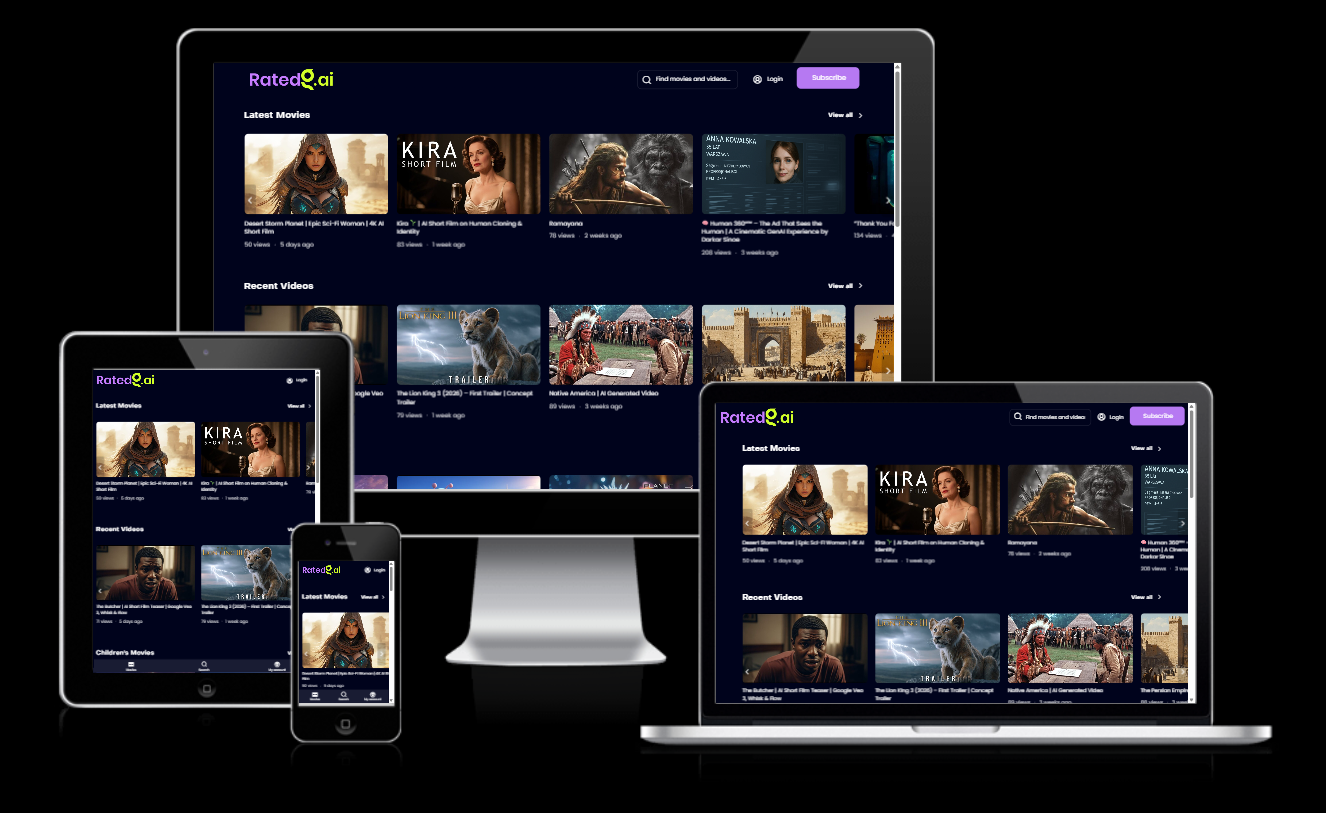
My passion project – Building the Netflix for AI Films
www.RatedG.ai

My Profile
www.sharadagarwal.com

Post by Sharad Agarwal

#linkedin #bestpractices

The Case for AI Films: RatedG.ai Leads A New Era of Storytelling

8 Sep 2025 News

AI is reshaping creative industries, with filmmaking emerging as one of the most intriguing frontiers. The idea of ‘AI films’, movies written, designed, or even produced with the help of AI is gaining momentum. This shift can be seen in the exponential growth of the new AI Films platform, RatedG.ai launched by Cyber Gear.

The case for AI films is not about replacing directors, writers, or actors but about reimagining what storytelling can be when humans and machines collaborate.

Cinema has always been a medium of boundless imagination, but even the most visionary filmmakers are constrained by budgets, time, and technical limitations. AI can break these barriers. From generating hyper-realistic visual effects to creating entire fantasy worlds, AI tools can amplify creative possibilities without exhausting resources.

For instance, AI-powered platforms can generate background environments, creatures, or even characters at a fraction of the cost of traditional CGI. This means indie filmmakers with limited budgets can achieve visuals that once required the resources of major studios. The democratization of filmmaking could lead to an explosion of diverse voices and stories that were previously sidelined.

AI’s role in filmmaking is not limited to visual effects. Scriptwriting, editing, and even soundtrack composition are being transformed. Natural language models can draft screenplay ideas, suggest dialogue improvements, or help with plot development. Editing suites enhanced with AI can analyze raw footage, identify the best shots, and assemble rough cuts automatically.

These efficiencies shorten production timelines, enabling filmmakers to experiment more, iterate faster, and ultimately produce higher-quality content. For audiences, this means a greater variety of films and more innovative storytelling methods.

One of the most compelling arguments for AI films lies in personalization. Traditional cinema delivers a one-size-fits-all story, but AI opens the possibility of adaptive films that change based on the viewer’s preferences. Imagine a movie where the ending adjusts depending on the viewer’s emotional responses or where the protagonist’s decisions shift according to real-time audience input.

Such hyper-personalized storytelling could revolutionize not only entertainment but also education, training, and even therapy. AI films could provide immersive simulations for learners, therapeutic narratives for patients, or customizable experiences for gamers and cinephiles alike.

The case for AI films is, at its heart, the case for human creativity enhanced by machine intelligence. Rather than fearing this transformation, the film industry has an opportunity to harness AI to tell stories that are more diverse, accessible, and compelling. In doing so, it can ensure that cinema remains a living, evolving art form for generations to come.

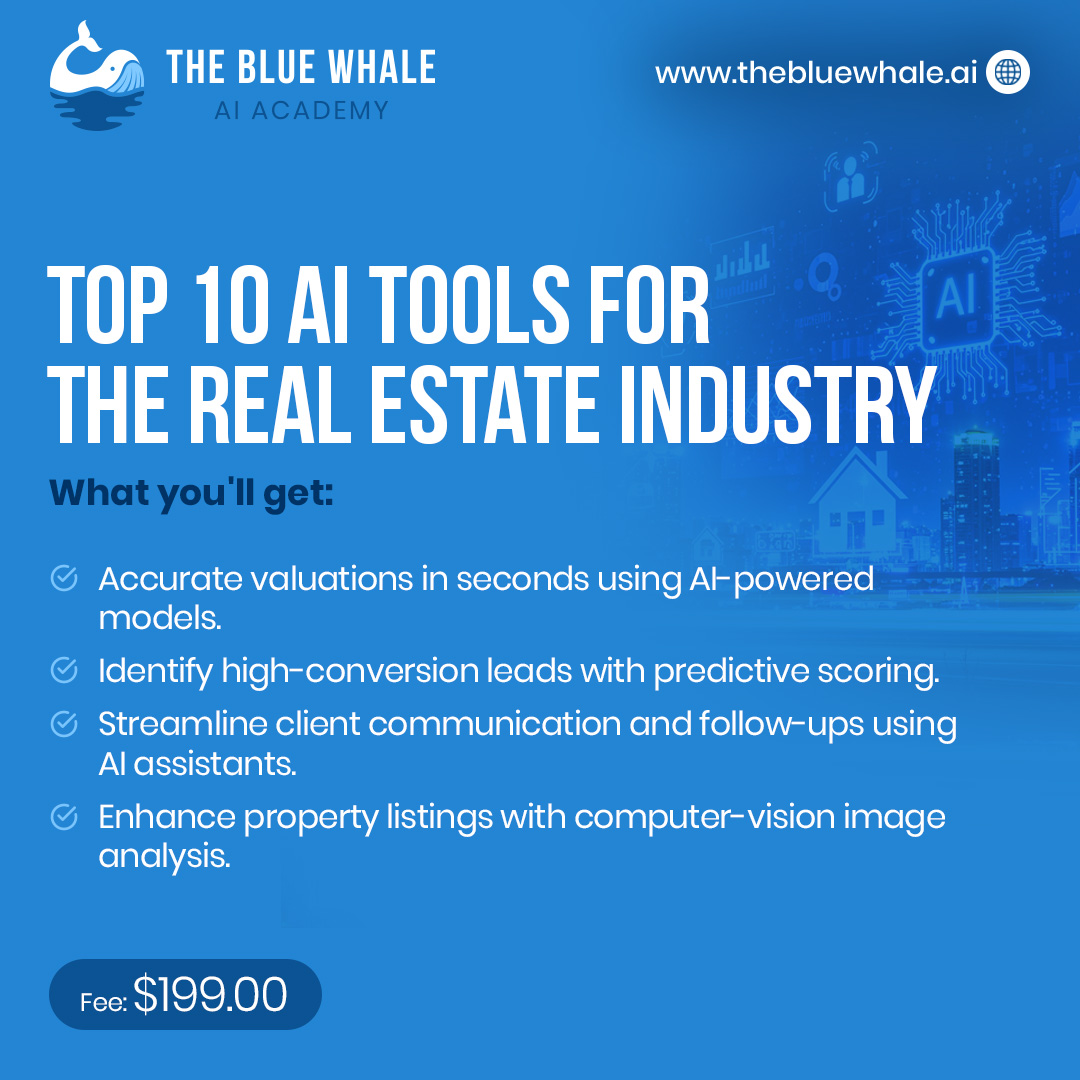
TheBlueWhale.ai Launches ‘Top 10 AI Tools for the Real Estate Industry’

13 Aug 2025 News

The real estate market is rapidly evolving, and AI is now a game-changer for agents, brokers, investors, and property managers.

From instant valuations and predictive market analytics to AI-powered lead qualification, these tools streamline operations, boost conversions, and unlock new opportunities.

In this course, you will explore 10 industry-leading AI tools that span property valuation, lead generation, virtual staging, and investment analytics.

You will learn how to integrate AI into your daily workflows and leverage these tools for faster decisions, better client experiences, and higher returns.

Tools Covered:

  1. HouseCanary
  2. Zillow
  3. Reonomy
  4. Skyline AI
  5. Leadflow
  6. Structurely
  7. ai
  8. ai
  9. Revaluate
  10. MagicDoor

On completion of this course, you will walk away with:

  • Accurate valuations in seconds using AI-powered models
  • Identify high-conversion leads with predictive scoring
  • Streamline client communication and follow-ups using AI assistants
  • Enhance property listings with computer-vision image analysis
  • Use AI-driven market predictions to guide investment strategy
  • Automate property management tasks from tenant screening to leasing

Register at https://www.thebluewhale.ai

Another Cyber Gear e-venture

How AI is Transforming the Insurance Landscape in the UAE

20 Jun 2025 News

Artificial Intelligence (AI) is no longer a futuristic concept, it’s the present reality revolutionizing industries across the globe, including insurance. In the UAE, where digital innovation is at the forefront of national strategy, AI is reshaping the very fabric of how insurance providers operate and deliver value to customers.

From automating claims to personalizing policies, AI is enabling a smarter, faster, and more customer-centric approach. Here’s how this technological transformation is redefining the insurance industry in the UAE.

1. Intelligent Claims Processing

AI is bringing unprecedented efficiency to claims management. Traditional processes that once took weeks can now be completed in hours or even minutes. Machine learning algorithms assess damage through photos, detect fraud patterns, and automate payouts. This ensures a seamless customer experience, something every insurance provider in the UAE is striving to deliver.

2. Hyper-Personalization of Insurance Policies

With AI-powered data analytics, insurtech companies are able to create customized insurance solutions based on individual behavior, lifestyle, and preferences. This means a 25-year-old driving a fuel-efficient car in Dubai might receive a vastly different premium than a 40-year-old who commutes long distances daily.

Hyper-personalization not only improves customer satisfaction but also boosts loyalty, a win-win for any insurance provider UAE aiming to retain a competitive edge.

3. Enhanced Risk Assessment & Underwriting

Gone are the days of broad-based risk assessments. AI utilizes predictive modeling and big data to create more accurate underwriting. This allows insurers to evaluate risks in real-time, incorporating variables like driving habits, health indicators, and geographic data. The result? Better pricing and more tailored policies.

An insurtech company leveraging these tools can reduce underwriting errors and increase profitability, while also empowering customers with fairer premiums.

4. Fraud Detection and Prevention

Insurance fraud is a major challenge worldwide, costing billions annually. In the UAE, AI is proving to be a game-changer. Advanced algorithms can detect anomalies, flag suspicious claims, and even predict potential fraud patterns.

For any insurance provider in the UAE, this translates to enhanced security, reduced losses, and ultimately, more affordable premiums for honest customers.

5. Smarter Customer Service with AI Chatbots

AI-driven chatbots are revolutionizing customer service in the insurance sector. Available 24/7, these bots handle everything from policy queries to claim updates, freeing human agents for more complex issues. The immediacy and accuracy provided enhance the customer journey, something no modern insurtech company can afford to ignore.

6. Regulatory Compliance Made Easy

Navigating regulatory landscapes can be daunting, especially in highly regulated markets like the UAE. AI simplifies compliance by automatically updating processes in line with new regulations and flagging any deviations. This is a huge benefit for every insurance provider UAE seeking to stay compliant without overloading operational staff.

7. Driving Innovation through Partnerships

AI is fostering collaboration between traditional insurers and tech startups. Many legacy players are partnering with the fastest growing insurtech companies like Shory to tap into cutting-edge capabilities, enabling a rapid digital transformation. These partnerships accelerate innovation, bringing advanced products to market faster.

Final Thoughts

AI is not just enhancing efficiency, it’s redefining what it means to be an insurance provider in the UAE. With the rise of every ambitious insurtech company, the industry is evolving into a more intelligent, intuitive and customer-first ecosystem.

As the UAE continues to embrace AI through initiatives like the National Strategy for Artificial Intelligence 2031, the insurance sector is poised for extraordinary growth and reinvention.

Cyber Gear Launches ‘The Blue Whale – AI Academy’

30 Jan 2025 News

Artificial Intelligence is one of the most transformative technologies of our time, impacting nearly every industry and shaping the future of work, automation, and decision-making.

AI is everywhere, from social media algorithms and self-driving cars to fraud detection and voice assistants.

According to Sharad Agarwal, CEO of Cyber Gear, “Automation and AI will replace repetitive jobs but also create new ones. Understanding AI ensures you stay relevant in the workforce, whether in tech, finance, healthcare, marketing, or education.This past week, DeepSeekfrom China, shook up the entire AI industry with the launch of their AI software. Just yesterday, Alibaba dropped Qwen 2.5-Max, claiming it outperforms DeepSeek-V3, GPT-4o, and Meta’s Llama-3.1-405B. The race to the top is heating up!

The Blue Whale symbolizes the vastness and depth of the ocean, representing the extensive and deep exploration of artificial intelligence that we want our community to achieve.Whether you want to work in AI, apply it in your industry, or simply understand its impact, learning AI will open doors to endless opportunities.”

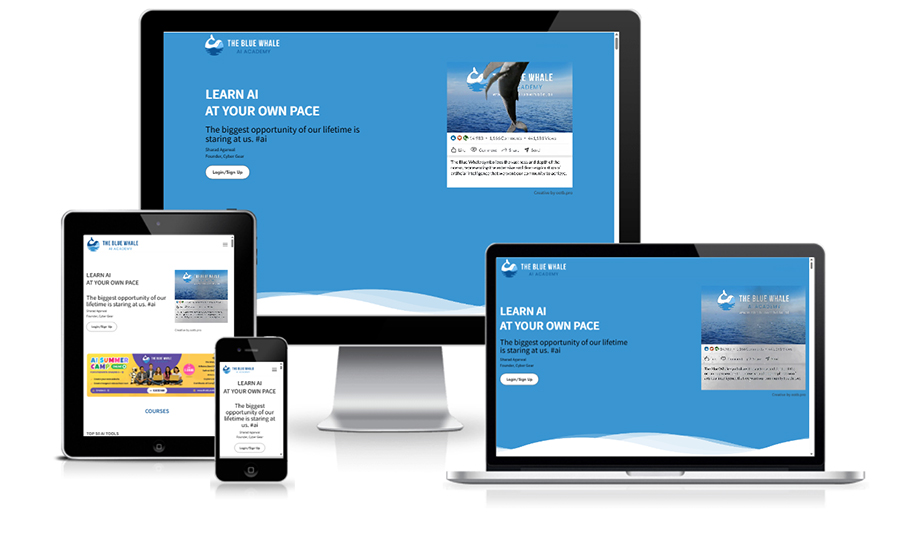
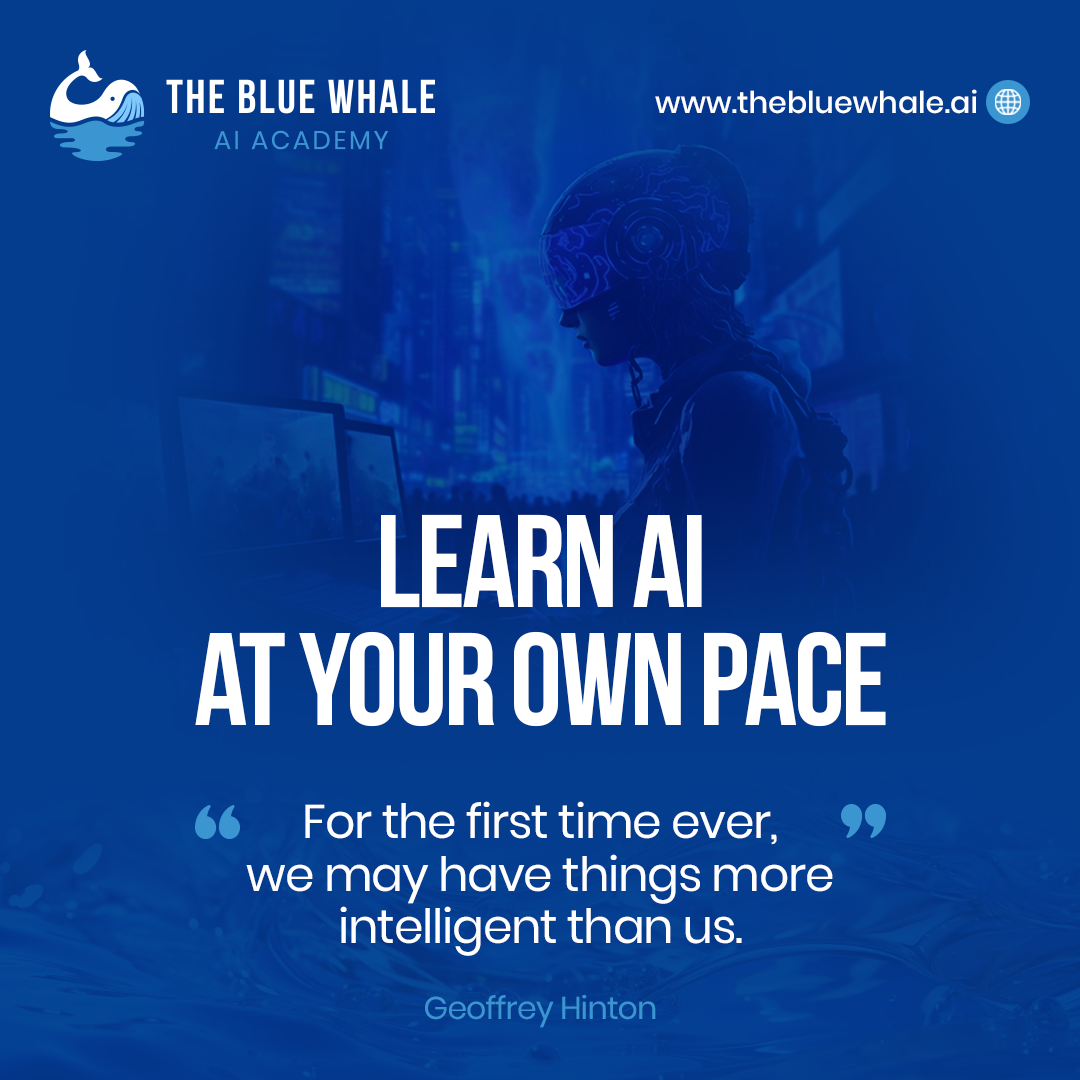
The Blue Whale AI Academy (thebluewhale.ai)has been launched to educate people on the new technologies and applications of AI in business.With businesses relying more on AI, professionals with AI expertise will have a competitive edge in the job market.

The first course, entitled – TOP 50 AI TOOLS TO IMPROVE YOUR PRODUCTIVITY, has been curated by AI experts and is built for newbies to learn the essential AI tools that can enhance productivity. This is a self-paced 5 hours program tailored for people from all industries. Prior knowledge of AI is not a must.

The education portal powered by an advanced ‘Learning Management Software’ will be adding new courses every fortnight.

AI is solving complex problems in ways humans alone cannot. From predicting diseases in healthcare to optimizing supply chains in business, AI can:

  • Enhance decision-making with data-driven insights
  • Improve efficiency and reduce costs
  • Enable creativity (AI-generated content, design, and music)

Knowing AI can help entrepreneurs build smarter businesses.

To register online, visit https://www.thebluewhale.ai

Role of PR in SEO

17 Dec 2024 News

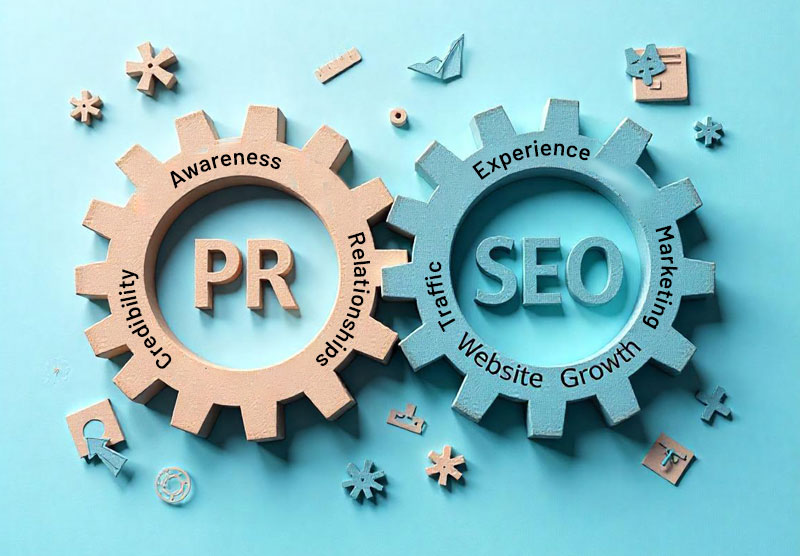
Public Relations (PR) plays a crucial role in SEO (Search Engine Optimization) by influencing how a brand is perceived online, building authority, and improving search visibility.

Bill Gates once famously quipped, “If I was down to my last dollar, I would spend it on public relations.”

According to Sharad Agarwal, CEO of PressReleaseNetwork.com, “PR helps build greater brand awareness, increase traffic, and provide a greater return on media and marketing communications spend.PR is the art of managing perceptions. It’s about telling your story in a way that connects with people and leaves a lasting impression. In the new creator economy, PR serves as a great tool for building backlinks required for effective SEO.”

This is why PR is so important in today’s competitive environment, where competition is only a click away.

  1. High-Quality Backlinks

PR efforts often result in mentions or features in high-authority websites like news outlets, magazines, or blogs.

These earned media links are natural backlinks that signal to search engines (like Google) that your website is reputable and valuable, boosting domain authority and rankings.

Example: A press release gets picked up by a top-tier publication like Forbes or TechCrunch or UAE Today, earning a backlink to your site.

  1. Increased Brand Awareness and Searches

PR campaigns can improve brand visibility and create buzz, leading to more branded searches (e.g., “Your Company Name”).

Google considers branded search volume as a trust signal, which positively impacts SEO.

Example: A well-executed PR campaign results in customers searching directly for your brand or specific content.

  1. Content Promotion

PR can amplify your content marketing efforts by distributing high-quality content (blogs, reports, whitepapers) to media outlets.

Shared content earns traffic, backlinks, and engagement—all critical SEO signals.

Example: Publishing a research study that journalists cite in their articles, linking back to your site.

  1. Improved Online Reputation and Trust

PR builds credibility by positioning your brand as an industry leader. Positive coverage signals trustworthiness to both users and search engines.

Reviews, case studies, and thought leadership content contribute to your site’s E-E-A-T score (Experience, Expertise, Authoritativeness, and Trustworthiness), which is key for Google rankings.

  1. News and Trending Topics

PR strategies capitalize on newsworthy events, earning timely backlinks and traffic.

By leveraging trends or timely stories, brands can attract organic traffic with news-related keywords.

Example: Launching a new product or event can generate media buzz and feature in trending stories.

  1. Local SEO Benefits

Local PR efforts, such as appearing in regional news or local events, can drive traffic from location-specific searches.

This aligns with local SEO optimization and Google My Business visibility.

  1. Influencer and Journalist Collaboration

PR often involves relationships with journalists, bloggers, and influencers who can produce content that naturally links to your website.

Example: A journalist includes your business as a source in a well-researched article, citing your site.

In summary, effective PR and SEO work hand-in-hand to:

  • Earn high-quality backlinks that improve authority.
  • Increase brand awareness leading to better search performance.
  • Drive organic traffic through news, content, and thought leadership.

By integrating PR strategies into SEO efforts, brands can create a strong online presence, boost search rankings, and establish trust with their audience.

In PR, the strategy is to connect, engage, and influence through communication, not persuasion.

Find a PR agency near you and get started right away.

Why Website Speed Is Essential for SEO Success

4 Oct 2024 News

It’s undeniable that people browsing the internet are becoming less and less patient. While a few extra seconds of waiting might not have been an issue years ago, today, 80% of users expect a website to load in less than 3 seconds, and 40% will leave if it takes longer. In other words, if your site isn’t fast enough, you could lose almost half of your potential customers. And we can’t ignore the impact of this on SEO.

What I’ve seen over the past 10 years is clear: people have become more impatient. In the digital world, where competition is fierce, the importance of speed has never been greater. Optimizing your website’s speed is an absolute must if you want to get the most out of your SEO efforts, increase your website traffic, and drive conversions.

  1. Use a Content Delivery Network (CDN)
    The farther users are from your server, the slower your site will load. By using a CDN, you can distribute your content across multiple servers worldwide and deliver it to users from the nearest server. This method is especially effective in reducing load times for visitors from different regions.
  2. Minify CSS, HTML, and JavaScript
    Unnecessary spaces, comments, and extra code in your site’s files slow down loading times. By minifying your code (removing these unnecessary elements), you can reduce file sizes and speed up your site. Tools like UglifyJS or CSSNano can automate this process and improve your site’s performance.
  3. Enable Browser Caching
    Browser caching allows your website to load faster for returning visitors by storing static files locally on their devices. This prevents users from having to reload the same data repeatedly, resulting in faster load times every time they visit.
  4. Reduce Server Response Time
    If your server is slow, your entire website will be slow. Choosing a fast and reliable hosting provider is crucial.  Optimizing your server settings and database queries will help reduce response time and increase your site’s speed.
  5. Eliminate Render-Blocking Resources
    Some JavaScript and CSS files may delay the loading of your site’s above-the-fold content (the part users first see). By deferring these non-critical resources to load after the initial render, you’ll speed up the first impression of your site and improve user satisfaction.
  6. Use Lazy Loading
    With lazy loading, images and videos are only loaded when they come into the user’s view. This helps speed up the initial page load, as the top part of the page can be displayed while the rest of the content loads as needed. This also saves bandwidth.
  7. Optimize Web Fonts
    Fonts can have a bigger impact on your loading speed than you might think. Only use the font weights and styles you need, and avoid unnecessary variations. Implementing the “font-display: swap” feature allows text to remain visible during the font loading process, enhancing the user experience.
  8. Enable GZIP Compression
    GZIP compression reduces the size of your HTML, CSS, and JavaScript files before they are sent to the browser, drastically cutting down data transfer time and speeding up the loading process.
  9. Minimize Redirects
    Excessive redirects add additional HTTP requests that slow down your site. Limit unnecessary redirects and fix broken links to avoid redirect chains, which can hurt your site’s speed and user experience.
  10. Preload Key Resources
    Preload fonts, images, or CSS files that are critical for the first render. This tells the browser to load important resources earlier, resulting in faster rendering times.
  11. Use HTTP/2
    HTTP/2 speeds up communication between your server and the browser by processing multiple requests at the same time. This reduces overall load times and significantly improves your site’s efficiency.
  12. Prioritize Above-the-Fold Content
    The content users first see when they land on your site should load quickly. By prioritizing the loading of above-the-fold content, users perceive the site as faster, even if the rest of the page continues loading in the background.

Conclusion

Improving your website’s speed is not only crucial for user satisfaction but also vital for SEO success and conversion rates. By implementing these 12 tips, you can optimize your site, meet user expectations, and stand out in the competitive digital
world. Remember, speed is no longer an option—it’s a necessity!

1 2 3

Search

+